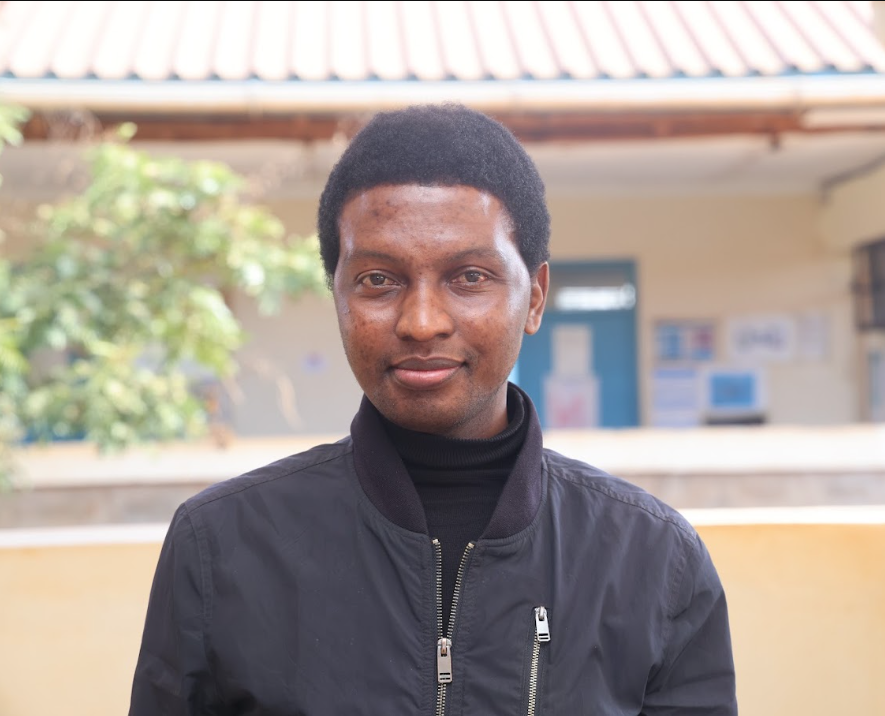

For Josephat Lwenya, sight was something he had always depended on to work, care for his family, and carry out the responsibilities of daily life. However, in 2024, he began noticing changes in his vision. Objects appeared blurry, faces became harder to recognize, and tasks that had once been simple started requiring more effort.
At first, Josephat hoped the problem would go away. Instead, his vision continued to deteriorate. The cause was cataracts, a condition that occurs when the eye’s natural lens becomes cloudy, preventing light from passing through clearly. Cataracts are one of the leading causes of blindness worldwide, particularly among older adults. As the condition progresses, vision becomes increasingly blurred, making it difficult to read, work, move independently, or even recognize loved ones.
For Josephat, the impact was devastating. The worsening vision affected his ability to work and earn a living. Everyday activities became frustrating and sometimes unsafe. More than anything, he worried about what the future would hold if he lost his sight completely.
“I feared that I would no longer be able to work and provide for my family,” he recalled.
Hope arrived when Josephat learned about a cataract surgical camp being conducted in Ikutha through a partnership between Kenya Society for the Blind and Cure Blindness Project. Determined to save his vision, he attended the camp and underwent a comprehensive eye assessment. The diagnosis confirmed that cataracts were responsible for his vision loss and that surgery could restore his sight.
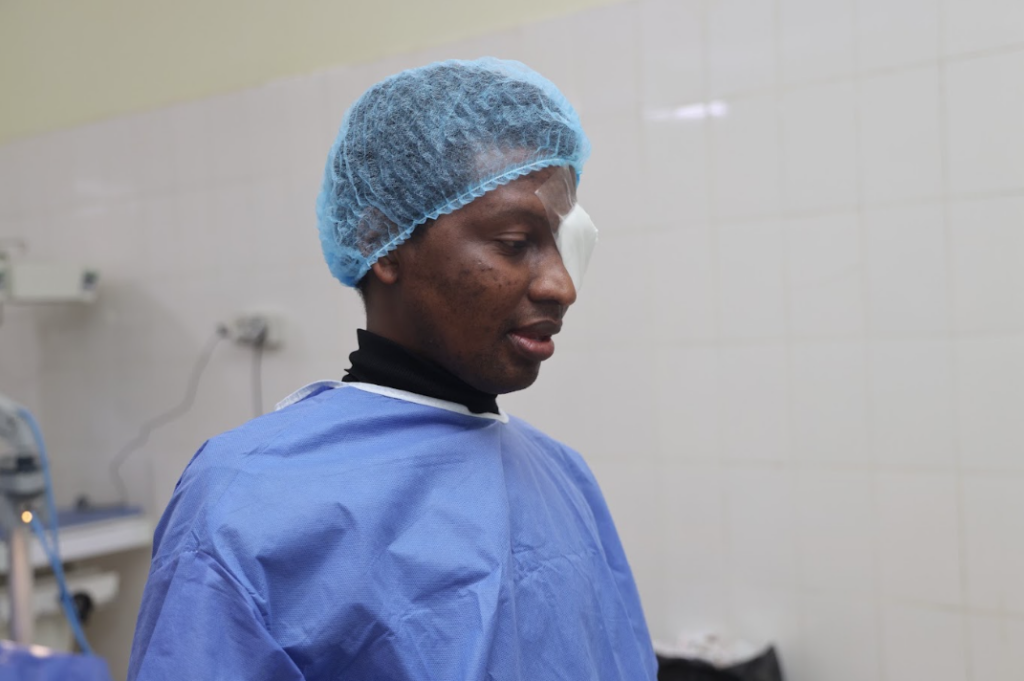
Although he was hopeful, Josephat was also concerned about the cost. Like many people living in underserved communities, accessing specialized eye care would have been financially difficult. The opportunity to receive surgery free of charge removed a barrier that might otherwise have prevented him from seeking treatment.
Following a successful cataract operation, Josephat experienced a transformation that he describes as life-changing.